
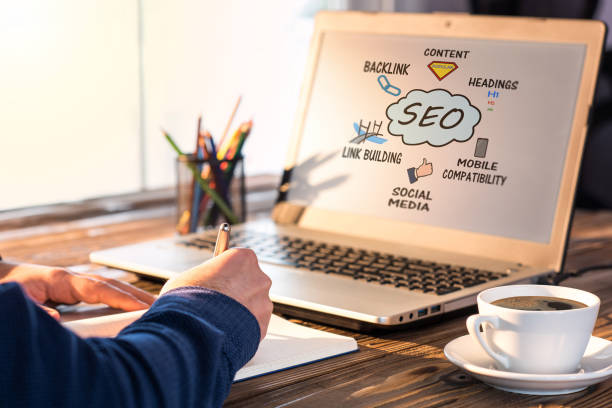

I remember the first time someone told me about Premium Link Building Services. Honestly I thought it was just another SEO buzzword. You know how the internet works… every month there is a “new trick” that promise to rank you #1 on Google. Most of them sound good in theory but fall apart in real life. But links… yeah links are kinda different. They’ve been important since the early days of Google and still somehow refuse to die.
Think of it like reputation in a small town. If respected people mention your name, suddenly everyone trust you. But if only random strangers talk about you… well nobody really cares. Search engines work in a similar way. When high quality websites link to your site, Google sort of takes it as a vote. Not a perfect system, but still one of the strongest ranking signals around.
I’ve seen small businesses go from page 7 to page 1 mostly because of better links. Not overnight obviously, but slowly. SEO is more like farming than gambling.
The Internet Runs On Trust Signals More Than People Realize
Something many beginners in SEO forget is that Google doesn’t really “know” if your website is good or not. It guesses. And those guesses come from signals. Content quality, user behavior, site speed… and yeah backlinks.
One interesting stat I read somewhere on an SEO forum (might have been Reddit honestly) said that almost 90% of top ranking pages have at least one strong backlink. That doesn’t mean links alone make rankings happen, but they definitely push things.
If your website is brand new, it’s like opening a shop in the middle of desert. No roads leading there. Backlinks are basically the roads.
Sometimes people try to cheat this system though. Buying cheap links from spammy sites, automated blog networks and all that stuff. It might work for few weeks, maybe months. Then suddenly rankings disappear. I’ve seen people cry on Twitter about it lol.
The difference between cheap links and proper ones is kinda huge.
Why Quality Links Are Way Different From Cheap Ones
There’s a strange thing about SEO markets. You’ll see people selling “500 backlinks for $10”. Sounds amazing right? Until you realize those links come from random garbage websites nobody reads.
Real links from strong sites take effort. Someone has to create useful content, reach out to publishers, sometimes collaborate with blogs or news websites. It’s not fast and definitely not cheap.
But the impact feels different.
A single link from a good authority website can sometimes do more than hundreds of weak ones. That’s something many beginners learn the hard way.
There was this small e-commerce store I once helped (not a huge client, just a friend’s business actually). Their site was stuck on page 4 for months. We managed to get a couple mentions from niche blogs that actually had real traffic. Within 3 months their product pages jumped into top 10.
Was it magic? Not really. Just trust signals building up.
Google Is Smarter Now, But Links Still Matter
Some people on LinkedIn keep saying backlinks are dead. Every year someone writes a long dramatic post about it. But if you talk to actual SEO professionals… most of them quietly keep building links anyway.
Google’s algorithm has changed a lot since the Penguin update years ago. Spammy tactics are risky now. But high quality mentions are still powerful.
A funny thing I noticed recently. Many viral startups or SaaS companies get natural backlinks because everyone talks about them on blogs, review sites, or news articles. That attention alone boosts their search visibility.
So in a weird way, link building is just digital PR sometimes.
It’s less about tricking Google and more about getting noticed online.
People Underestimate How Competitive Search Has Become
Ten years ago you could write a decent blog post and rank. Today… not so easy. Every niche is crowded. Even local businesses are investing in SEO now.
I checked a few SERPs recently for marketing related keywords and almost every top result had insane backlink profiles. Hundreds sometimes thousands of referring domains.
Small websites trying to compete without links are basically running a race with one shoe missing.
Another weird trend I noticed is social media discussions influencing SEO indirectly. When something goes viral on platforms like Twitter or LinkedIn, bloggers often pick it up and write about it. Those articles create backlinks naturally. So social buzz sometimes leads to SEO growth without people realizing it.
Internet ecosystems are messy like that.
Good Link Building Feels Slow But It Compounds
This part is probably the hardest for clients to accept. Results rarely appear instantly.
One month you get a couple links. Next month maybe three more. Rankings move slightly. Traffic increases slowly. But after six months things start compounding in a weird way.
Google seems to trust your site more. New content indexes faster. Pages rank easier.
It’s almost like building credit score. First few years nothing exciting happens. Then suddenly lenders trust you more and opportunities open up.
SEO works in similar patterns.
Not Every Link Strategy Works For Every Website
Another thing people forget is that different niches behave differently.
For example, tech blogs often earn links from software reviews, startup news sites, or developer communities. But a local restaurant website will probably get links from local directories, food bloggers, or city guides.
Trying to copy someone else’s backlink strategy blindly is kinda pointless.
I once saw a dentist website trying to build links through cryptocurrency blogs. Still makes me laugh a little. Completely random.
The best link building strategies usually feel natural to the industry you’re in.
The Internet Is Basically One Giant Recommendation System
If you step back and think about it, the web is just billions of pages recommending other pages. Links are the threads connecting everything.
Search engines follow those threads to understand authority, relevance, and trust.
So yeah… link building isn’t some secret hack. It’s just helping your website become part of that conversation.
And honestly, that’s why it still works after all these years.