
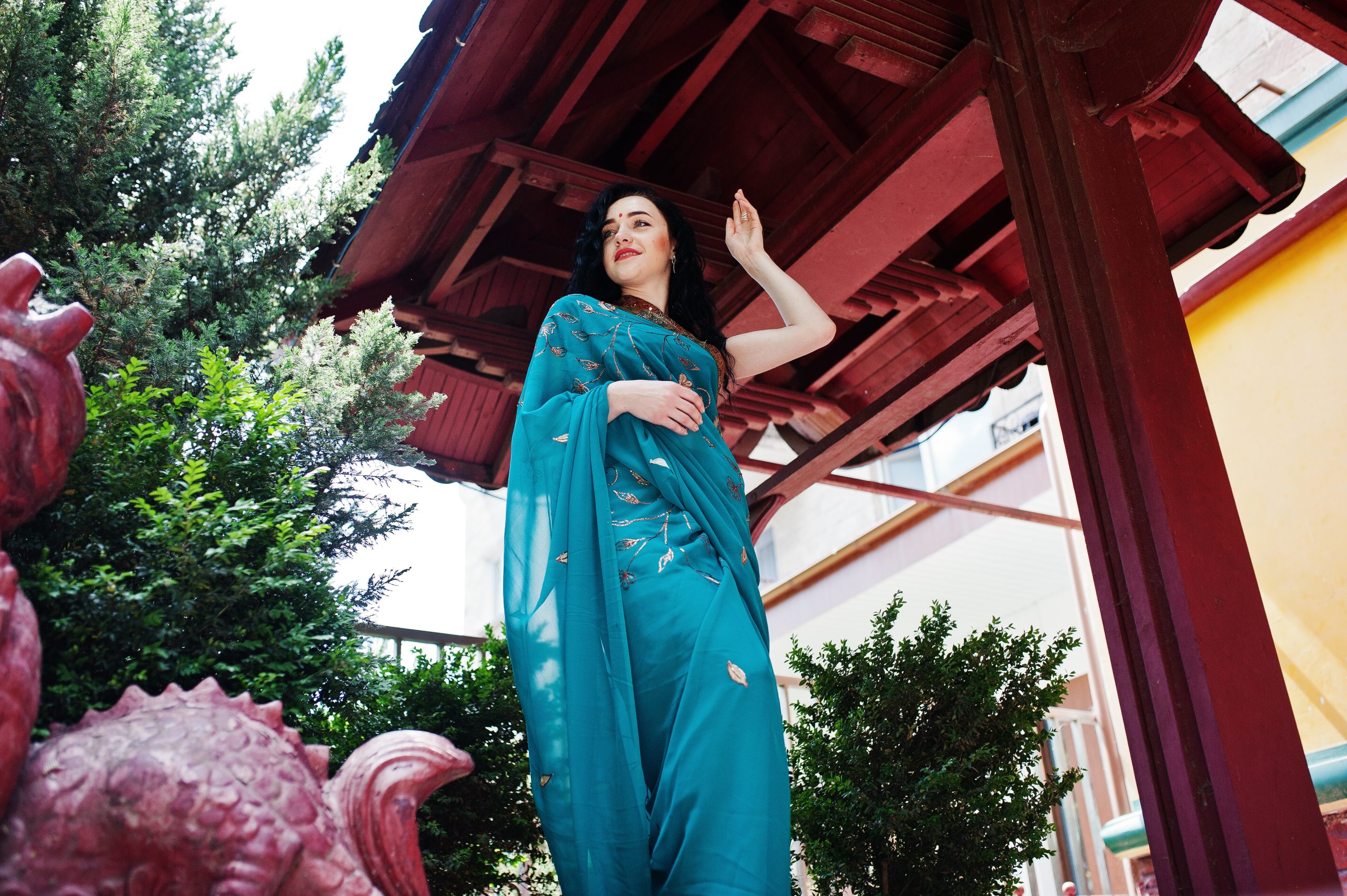

India’s fashion is a reflection of its vibrant, traditional, and deeply ingrained culture. Indian design has successfully moved from traditional attire to international runways throughout the years, fusing classic charm with contemporary style. Indian fashion is currently popular not just in the region but also globally, from the streets of Paris and New York to the red carpets of Hollywood.
What is so unique about Indian fashion, then? It’s the intricate combination of storytelling, workmanship, fabrics, and legacy. Let’s examine how India’s fashion heritage is evolving into a worldwide fashion statement.
Sarees: An Everlasting Tradition
The saree is the most iconic Indian garment. It is a garment that blends elegance, grace, and tradition, and it is worn in dozens of designs in various regions, from the Banarasi of Varanasi to the Kanjeevaram of Tamil Nadu.
Global superstars like Gigi Hadid, Priyanka Chopra, and Oprah Winfrey have boldly worn sarees, demonstrating that they are not only traditional but also classic and adaptable.
In order to cater to new generations and international consumers, contemporary designers are reinterpreting sarees with belts, pre-draped designs, and fusion blouses.
Art-Speaking Embroidery
Indian embroidery uses thread to create stories, and it’s more than just ornamentation. Indian clothing embodies centuries of artistic talent, from Mirror Work and Kantha to Zardozi and Chikankari.
These elaborate patterns are increasingly seen in premium brands and international fashion shows. Indian embroidery has been introduced to the Milan, Paris, and London Fashion Weeks by designers like as Rahul Mishra, Manish Arora, and Sabyasachi Mukherjee.
The need for handcrafted elegance is demonstrated by the collaborations between Indian craftsmen and global brands like Hermès and Dior.
Internationally Popular Indian Prints
Although they have their roots in Indian culture, prints like Bandhani, Ikat, Ajrakh, and Kalamkari are currently popular around the world.
These hand-printed, natural-dye textiles are not only eco-friendly but also striking, one-of-a-kind, and culturally vibrant. Fashion enthusiasts worldwide are being introduced to Indian textile stories through the usage of these patterns on scarves, outfits, and bags by Western fashion brands.
In order to create a whole new design language, Indian streetwear manufacturers are now combining these motifs with sneakers, hoodies, and denim.
Fusion Clothing: A Blend of Tradition and Style
By fusing traditional items with international patterns, contemporary Indian youth are reinventing fashion. Consider:
- Jeans and kurtas
- Crop shirts and dhoti pants
- Sneakers and lehengas
- Sherwanis wearing jackets with tuxedos
- Fashionistas all throughout the world are being inspired to try out ethnic styles for everyday wear by this fusion of East and West.
Fusion clothing is becoming fashionable, cozy, and culturally proud thanks to influencers and Bollywood celebrities.
Indian Jewelry’s Power
Weddings are no longer the only occasion for Indian jewelry, whether it be temple gold, kundan, polki, or jadau. These elaborate creations are now featured in premium shows and fashion magazines worldwide.
International musicians are wearing statement items like nose rings, jhumkas, chokers, and maang tikka in music videos and photo sessions, as well as at festivals like Coachella.
It’s proudly worn heritage, not simply jewelry.
International Designers, Indian Influence
Numerous foreign designers publicly acknowledge India as their inspiration. International runways now frequently feature collections that draw inspiration from Indian festivals, spirituality, textiles, and hues.
Indian textiles and shapes are influencing design in unexpected and inventive ways, from bohemian vibes to resort attire.
Slow & Sustainable Fashion: India’s Inherent Power
India’s traditional techniques—handweaving, natural dyeing, and zero-waste designs—are becoming more and more well-known worldwide as the world moves toward sustainable fashion.
Values are much more important in fashion than just style. And this steady, moral, and lovely change is ideally suited to India’s cultural fashion.
Concluding Remarks: India’s Fashion, Global Honor
Indian design is now strong, fashionable, and global rather than “ethnic wear.” Indian culture is being lived, loved, and worn as the globe becomes more receptive to a wider variety of fashions.
Once confined to local communities, fashion is increasingly influencing global trends by fusing modernity with long-standing customs.
The globe is ruled by Indian fashion, from Bandhani in Brooklyn to sarees in Milan.